
Plant Hoarder
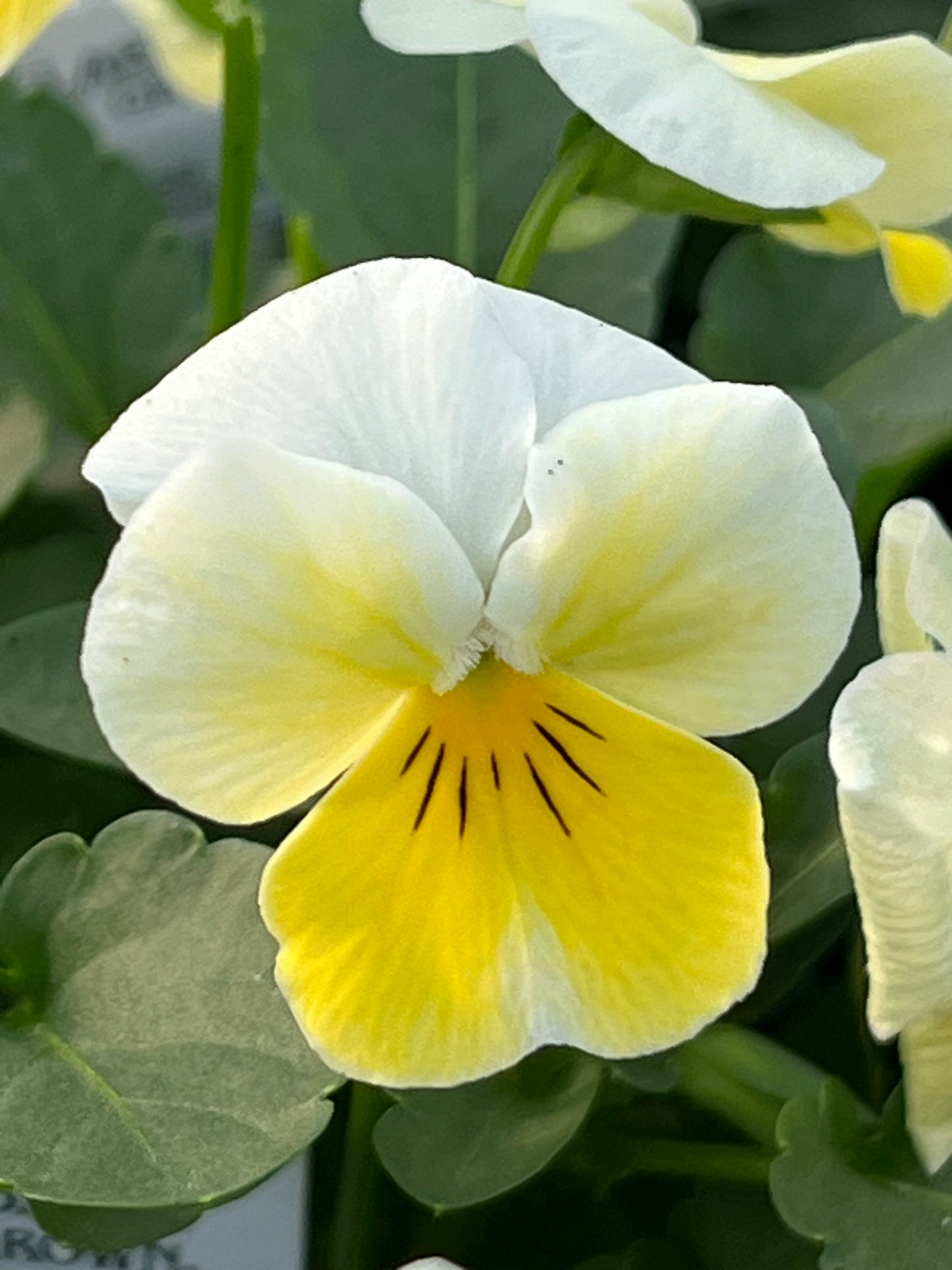
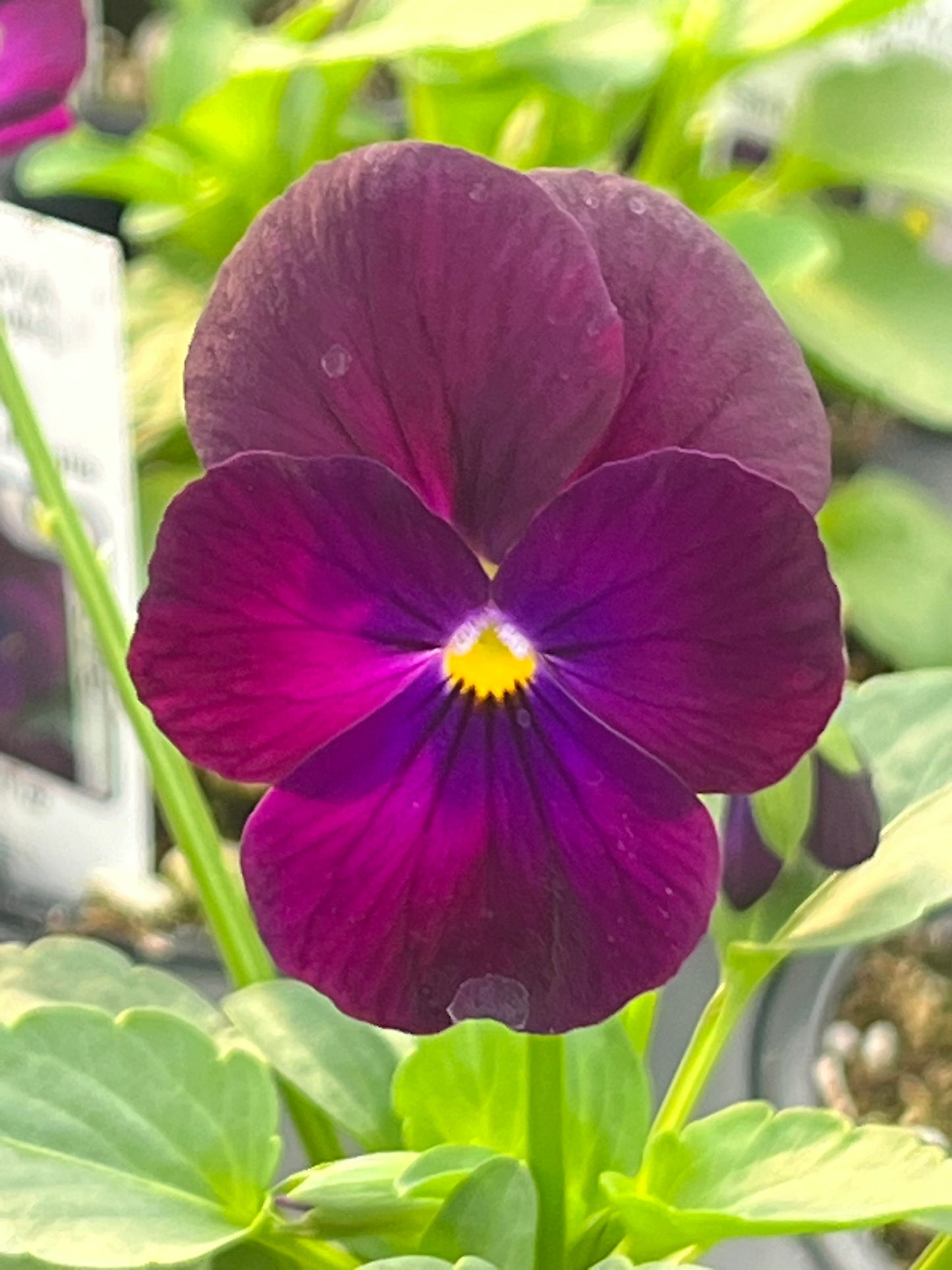
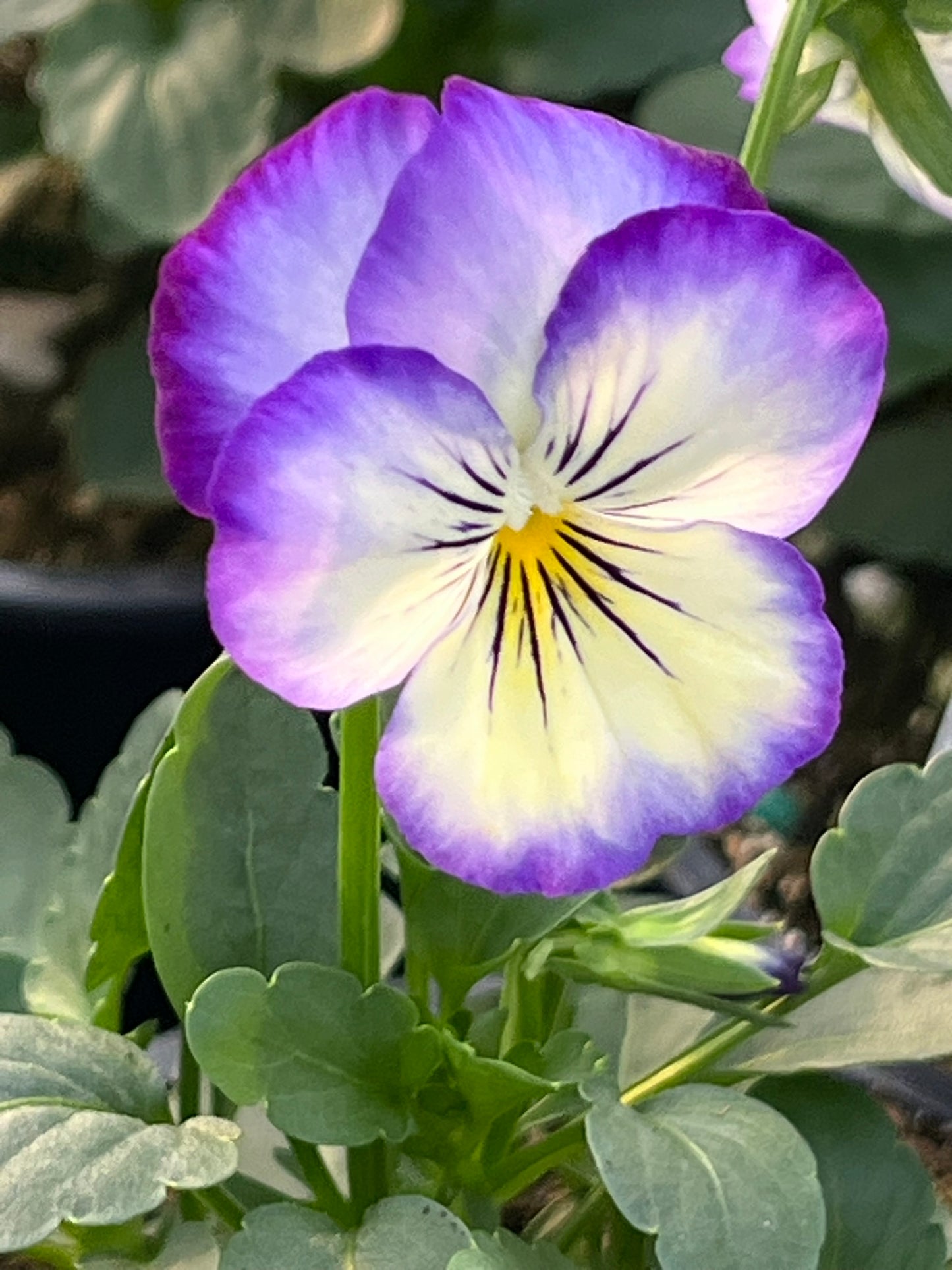
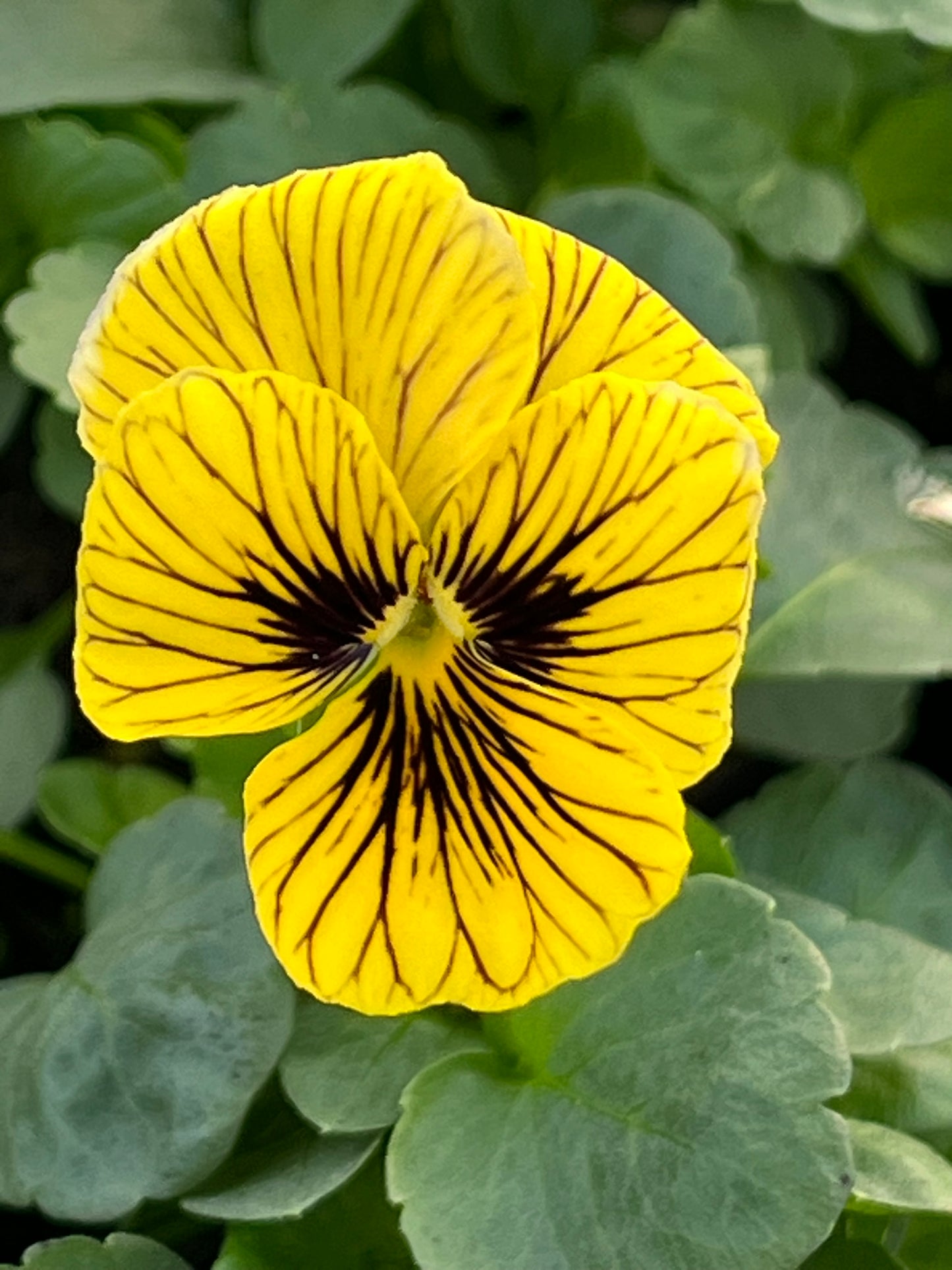
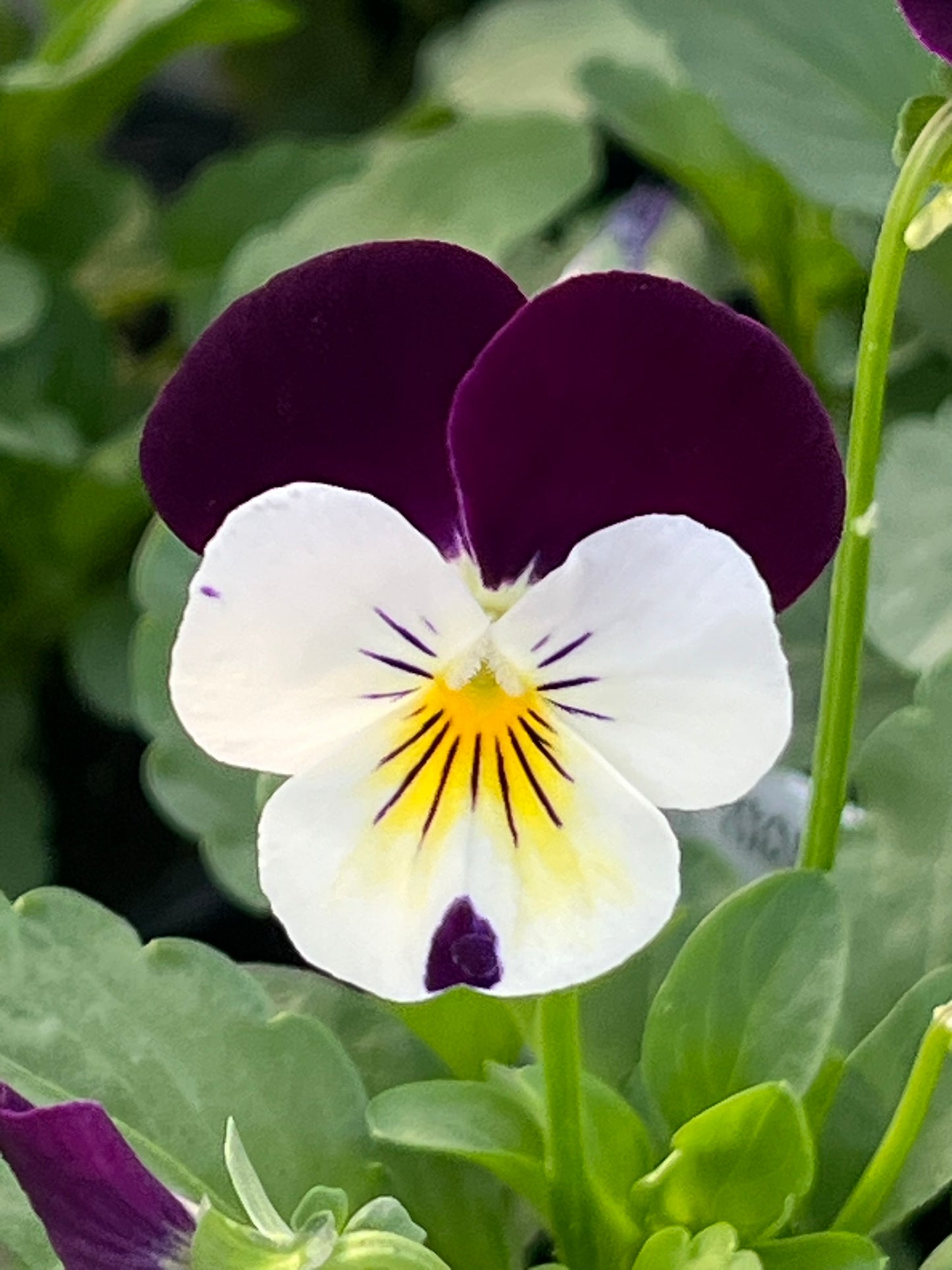
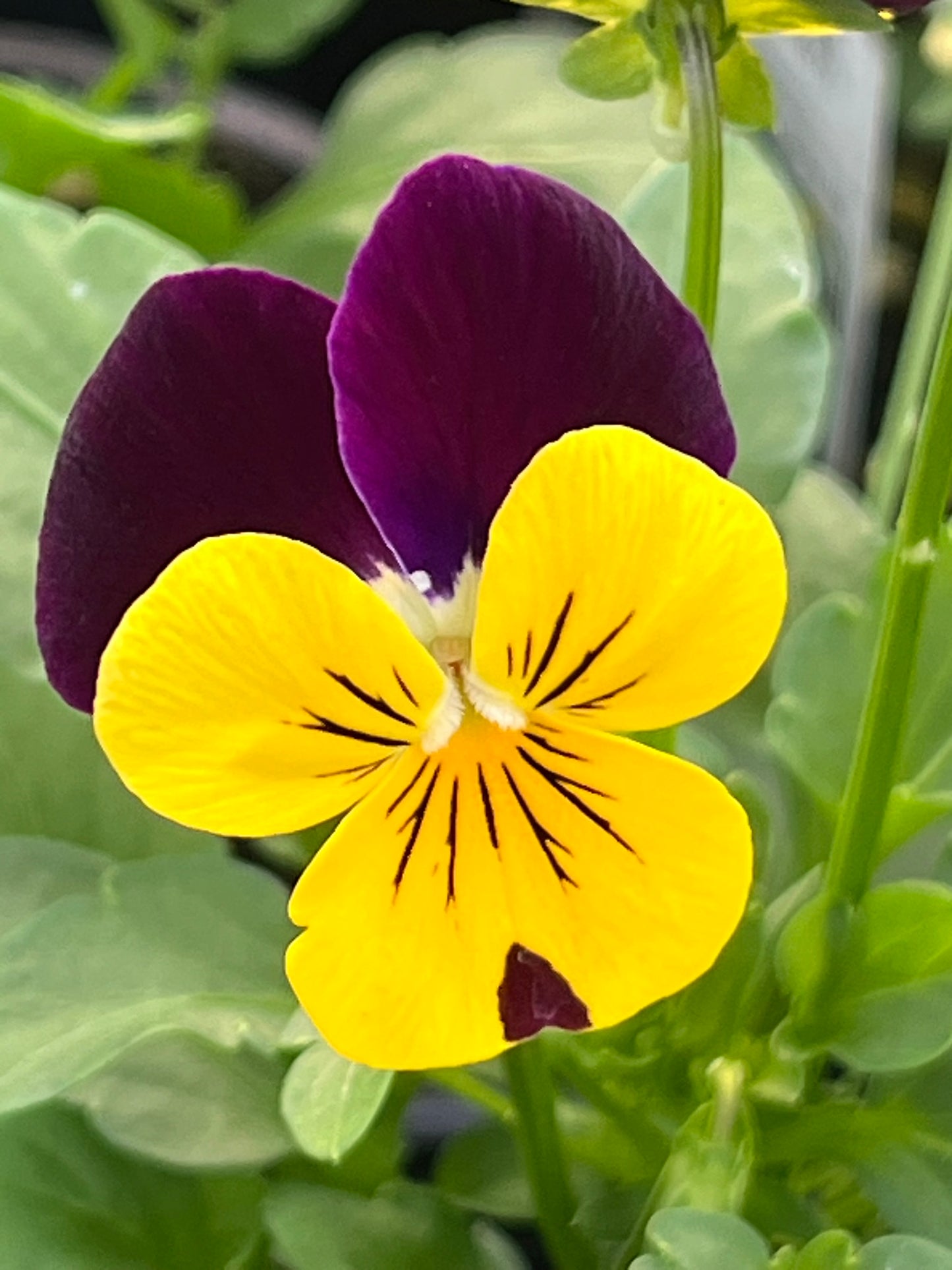
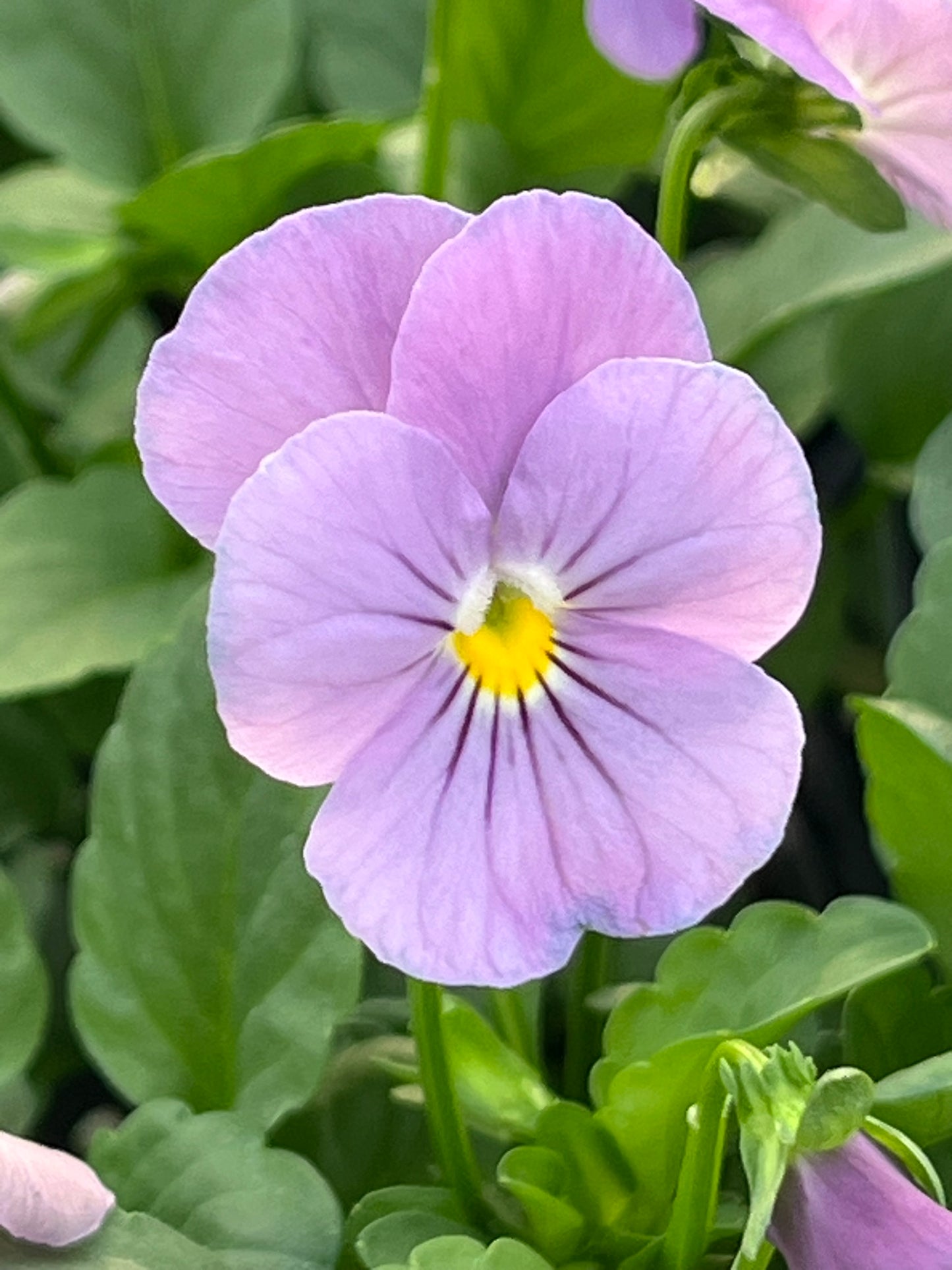
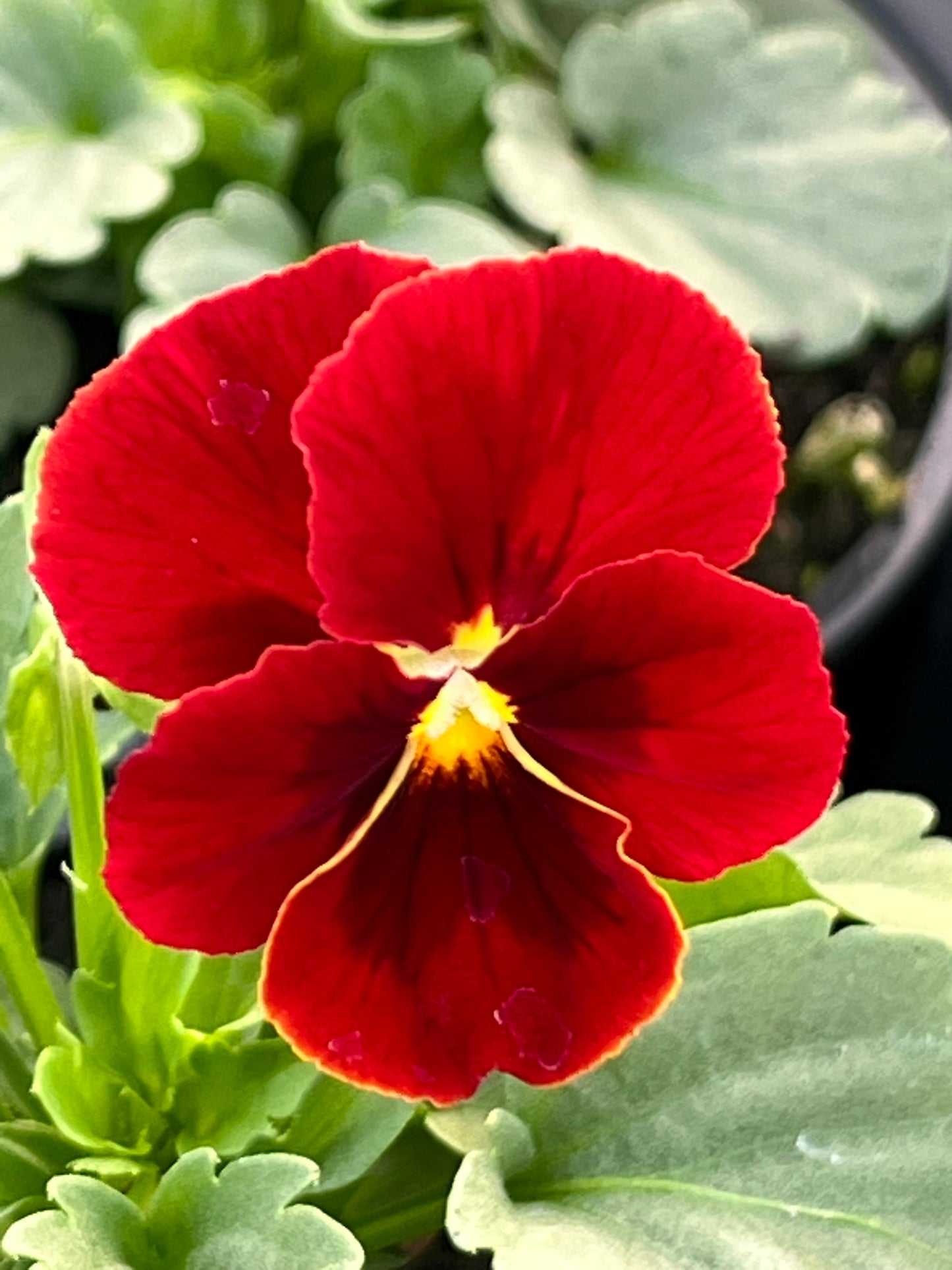
Viola Plants – Choose Your Color
Viola Plants – Choose Your Color
Couldn't load pickup availability
Share
Hardiness Zone:
Sun Exposure:
Viola Plants – Big Color, Little Flowers, Endless Charm
Brighten Your Garden with Beautiful Cool-Season Blooms
Small flowers. Big personality. Violas bring cheerful color to gardens, porch planters, hanging baskets, and window boxes when many other flowers are taking a break.
With their delicate blooms, rich colors, and remarkable tolerance for cool weather, violas are among the easiest ways to keep your garden looking alive through fall, winter, and spring.
At Plant Hoarder, we love these hardworking little flowers. Whether you prefer bold purples, sunny yellows, soft pinks, or dramatic near-black blooms, there's a viola to match your garden style.
Why Gardeners Love Violas
Violas may be small, but they make a big impression.
-
Long-lasting blooms: Enjoy beautiful flowers throughout the cooler months.
-
Cold tolerant: Established plants handle frost and many winter cold spells.
-
Beautiful color selection: Choose from classic solids, cheerful bicolors, and striking patterned flowers.
-
Compact growth: Perfect for small spaces, garden borders, and containers.
-
Pollinator friendly: Flowers can provide nectar for bees during mild weather.
-
Easy to grow: Great for beginners and experienced gardeners alike.
Plant several together for a carpet of color, or mix different shades for a cheerful display.
Beautiful Colors for Every Garden
Whether you're creating a coordinated landscape or simply planting your favorite colors, violas offer wonderful variety.
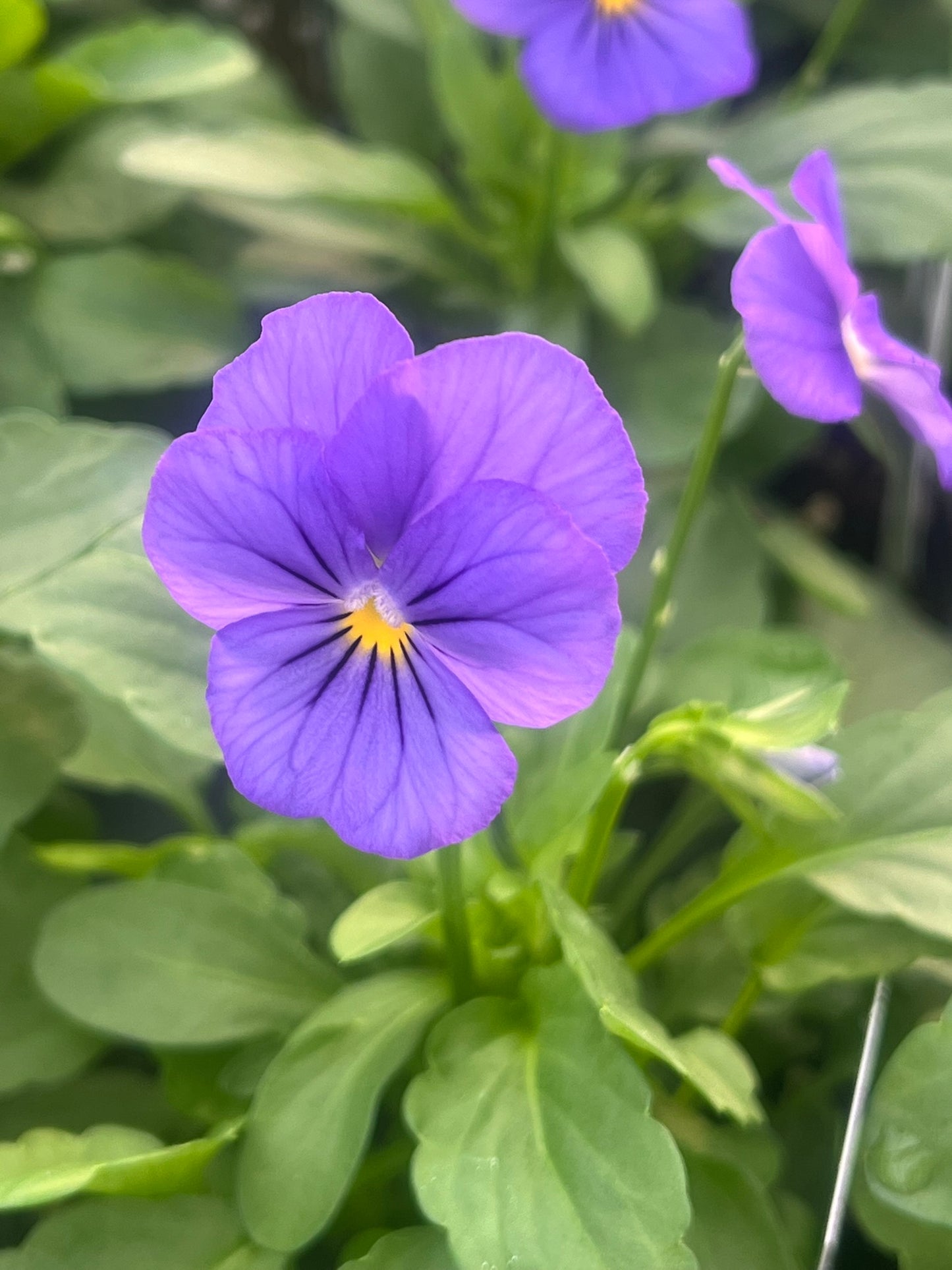
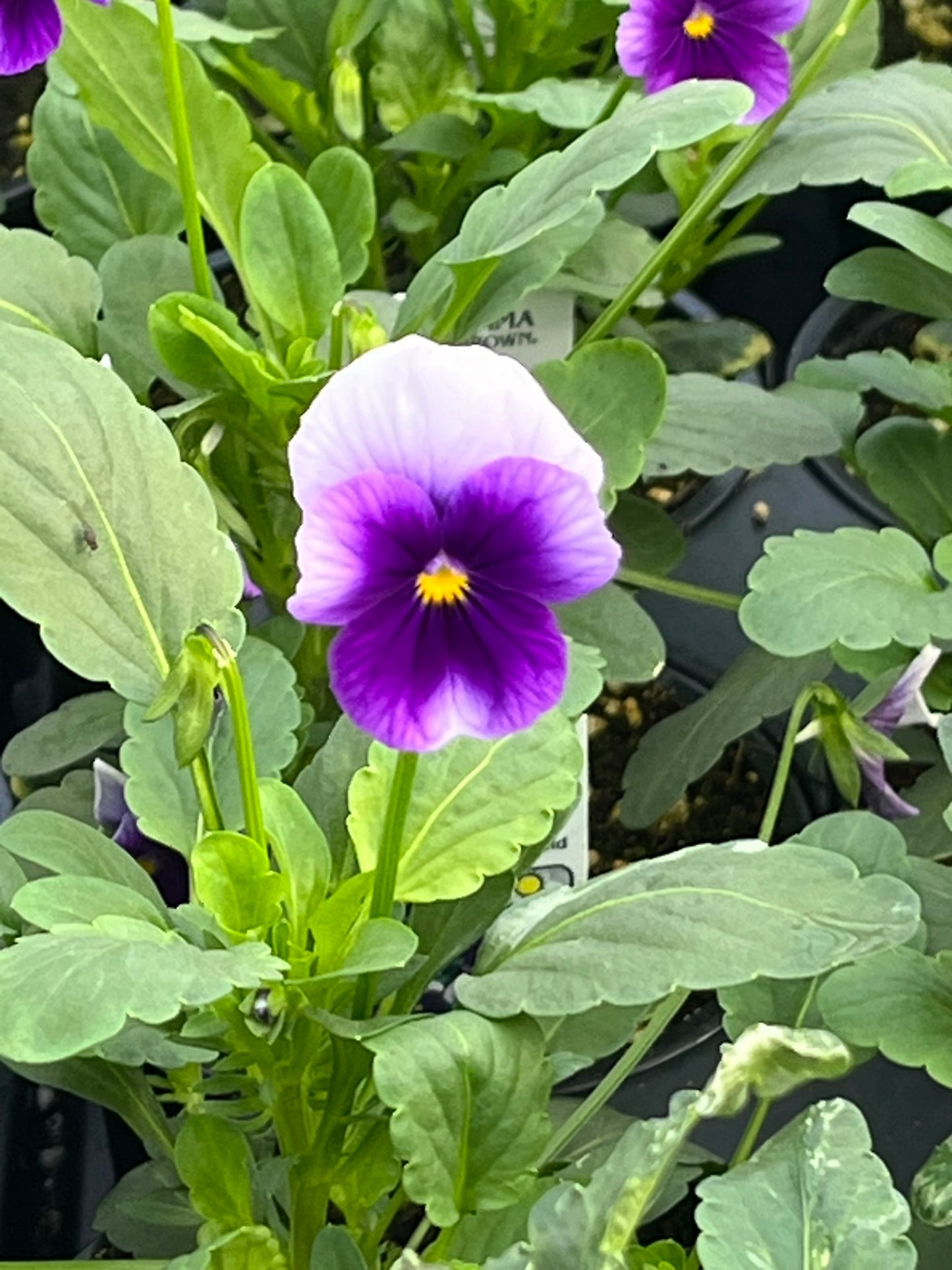
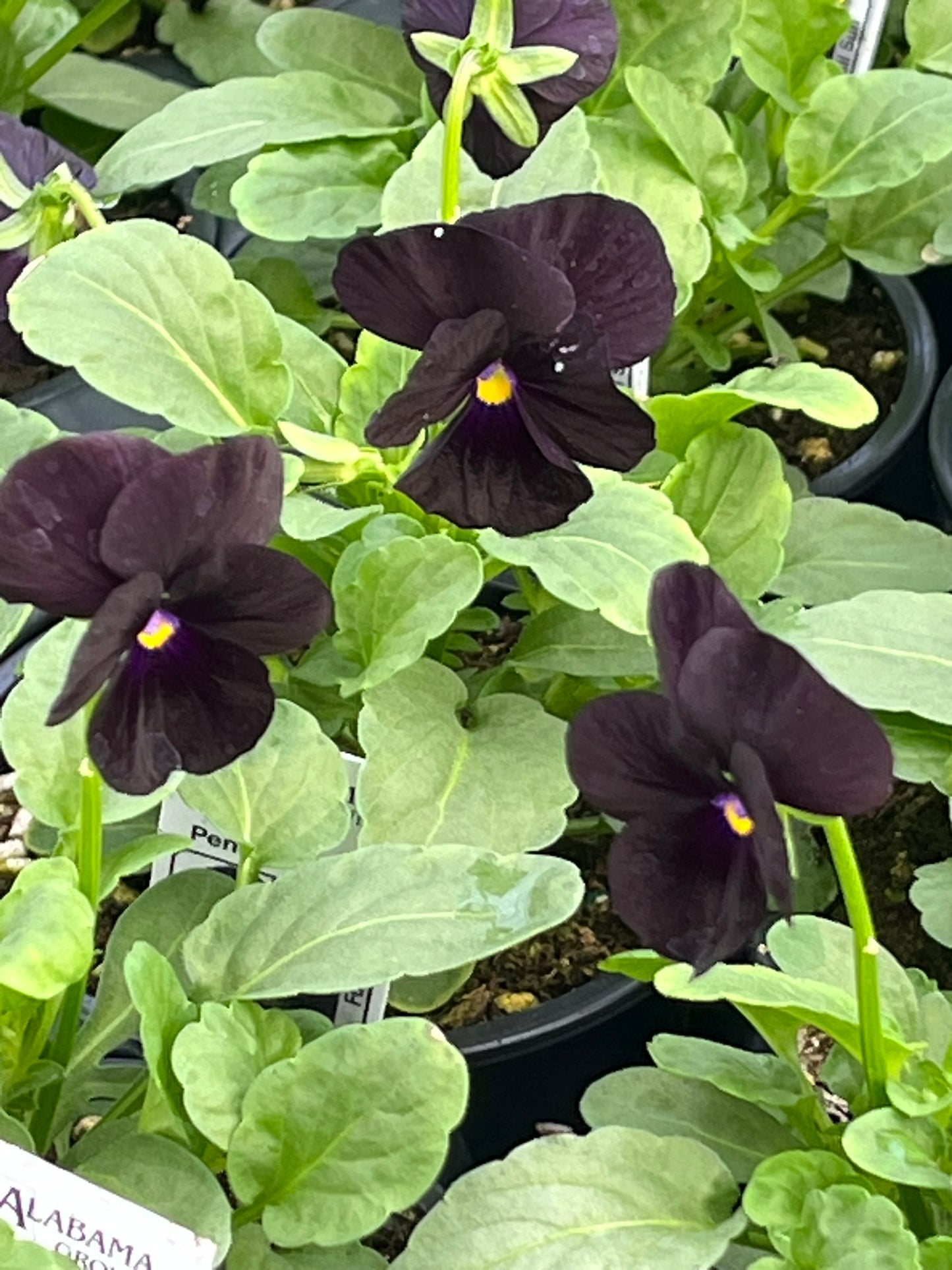
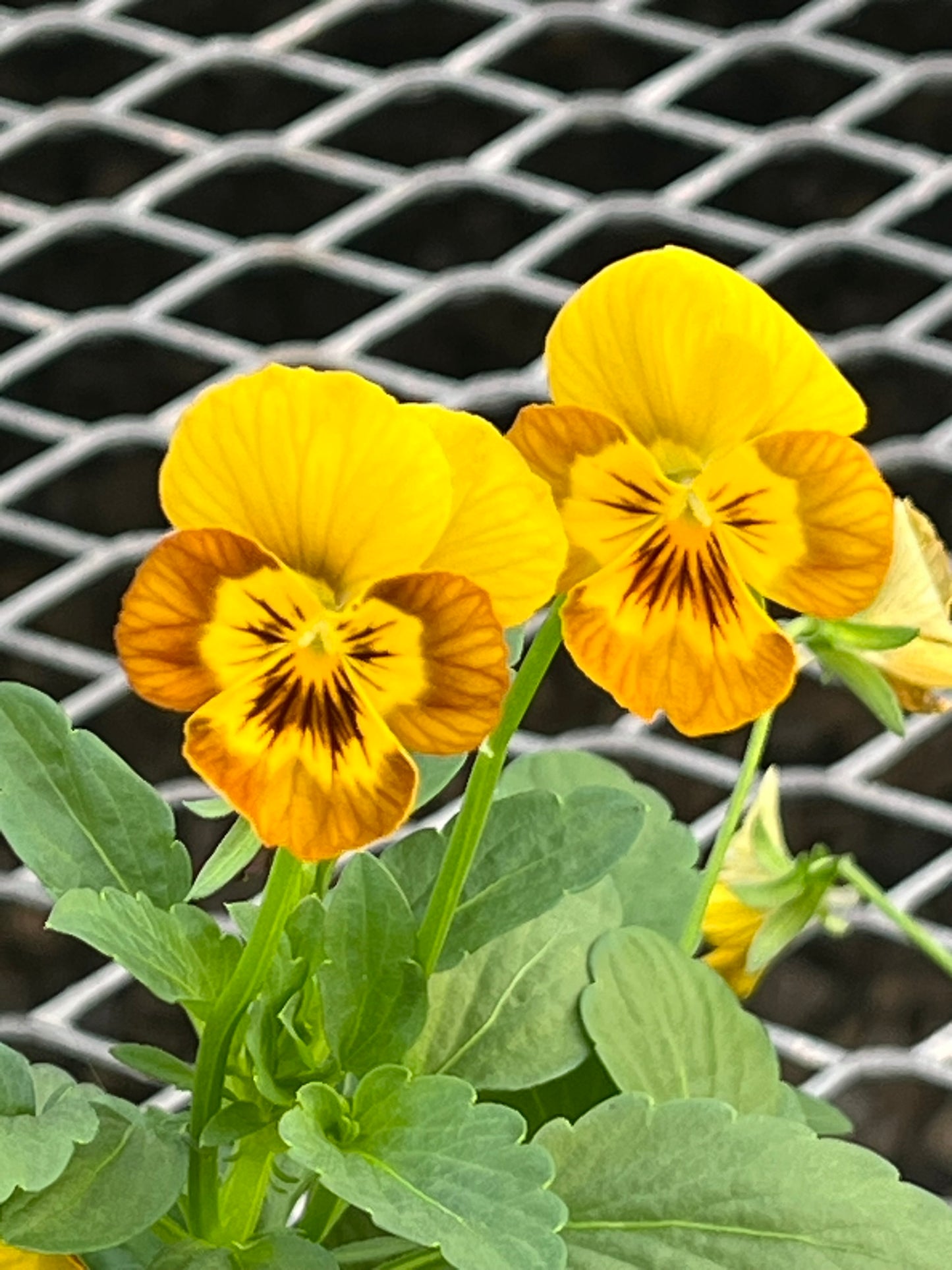
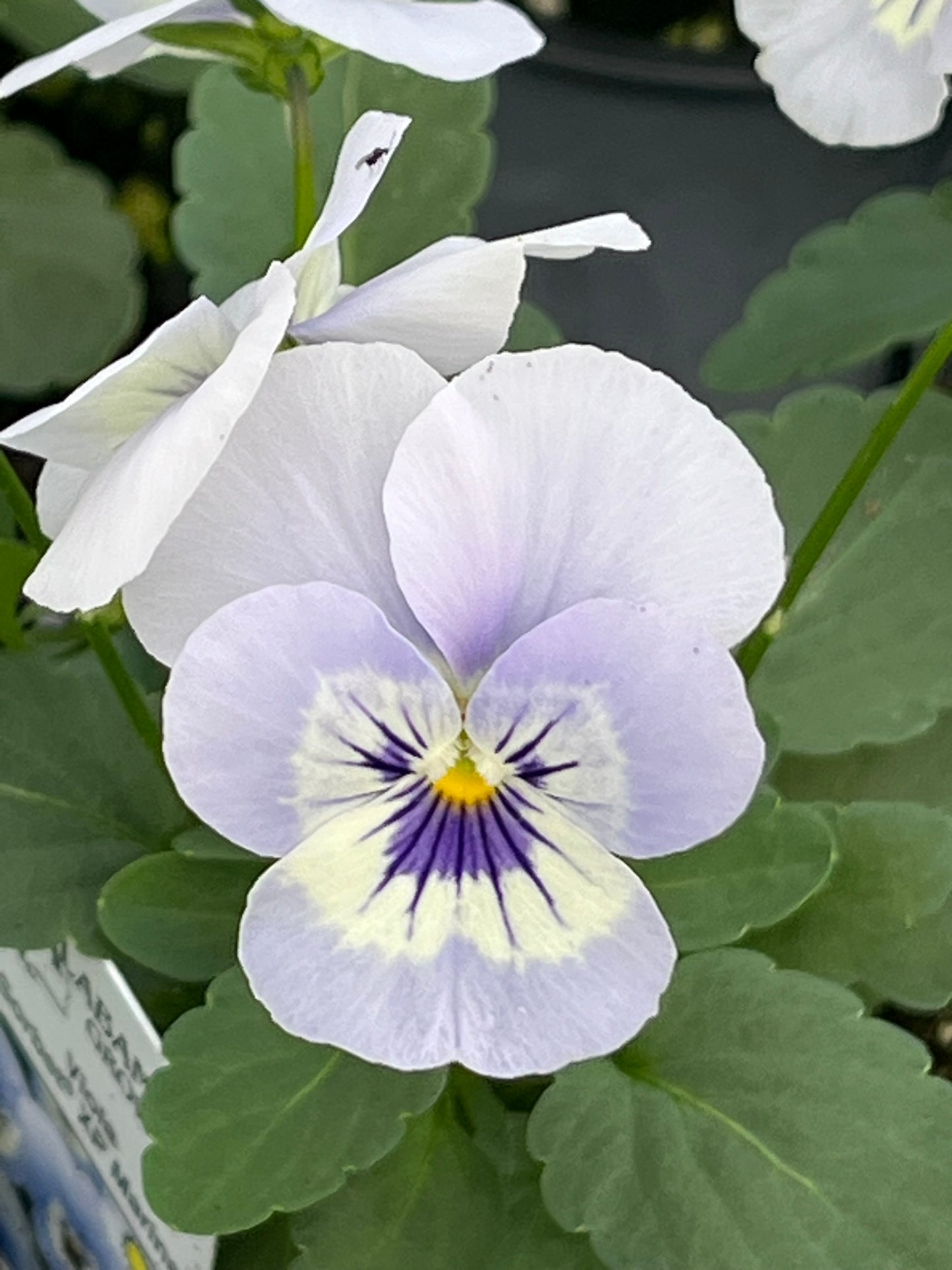
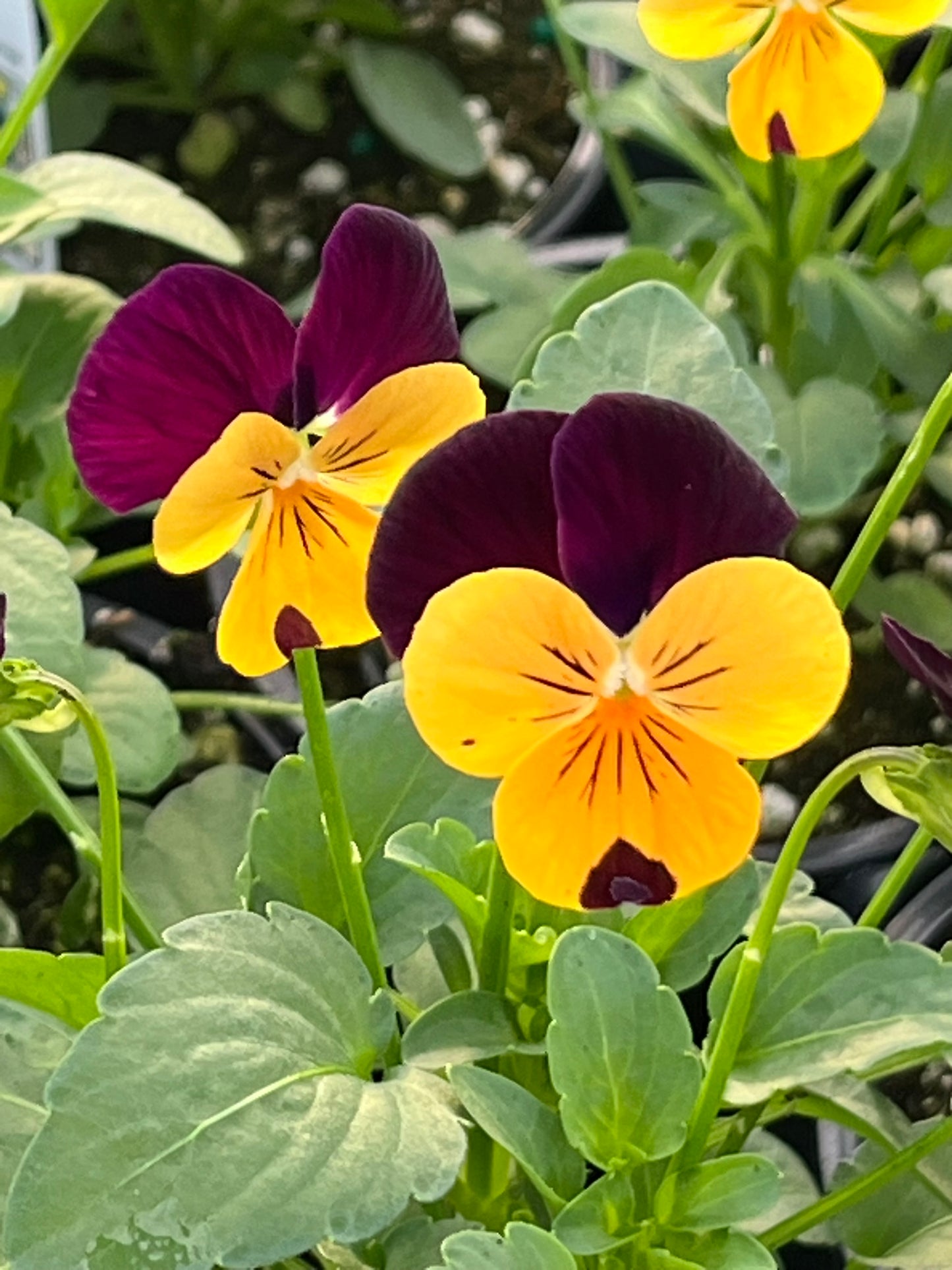
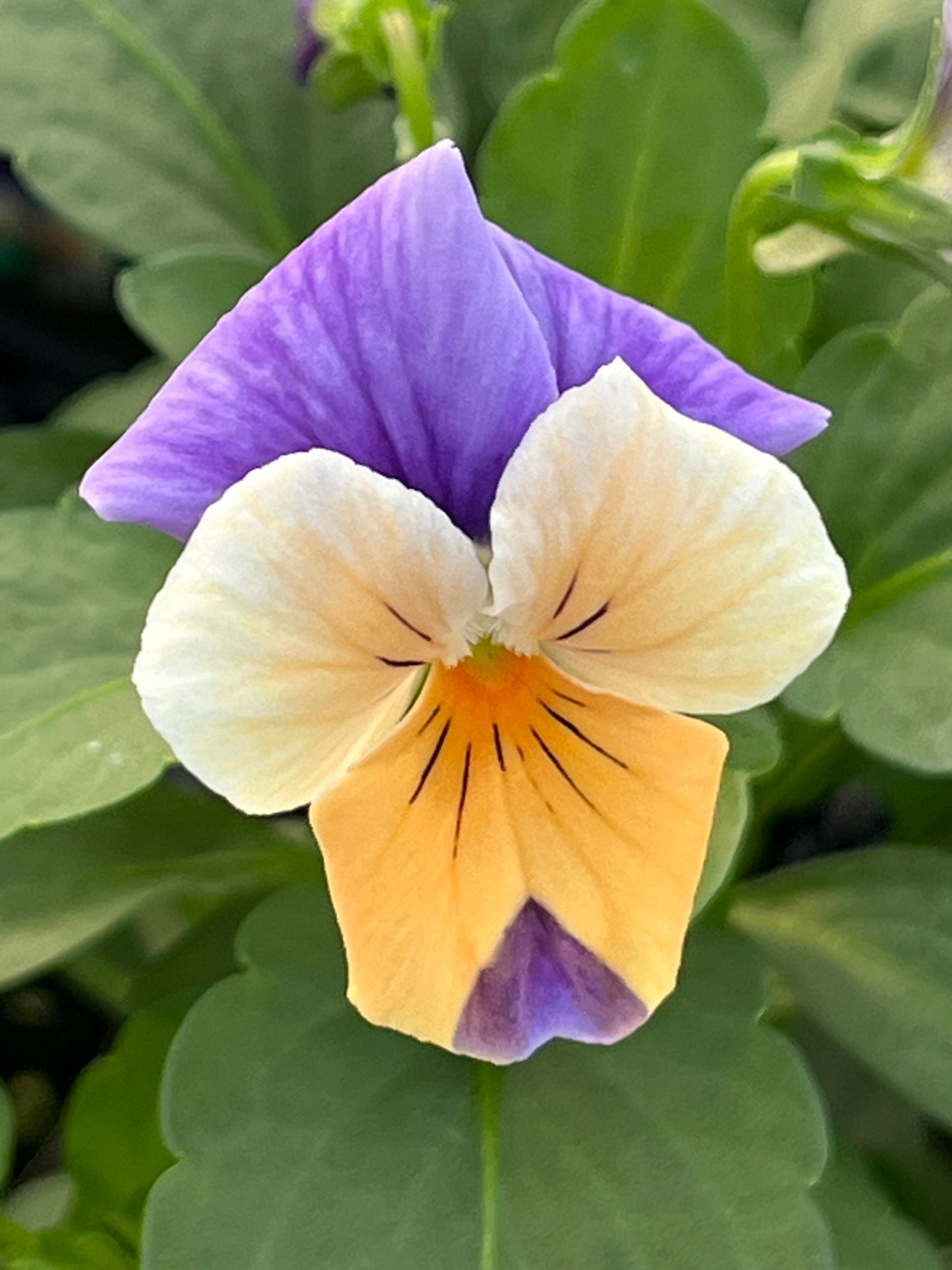
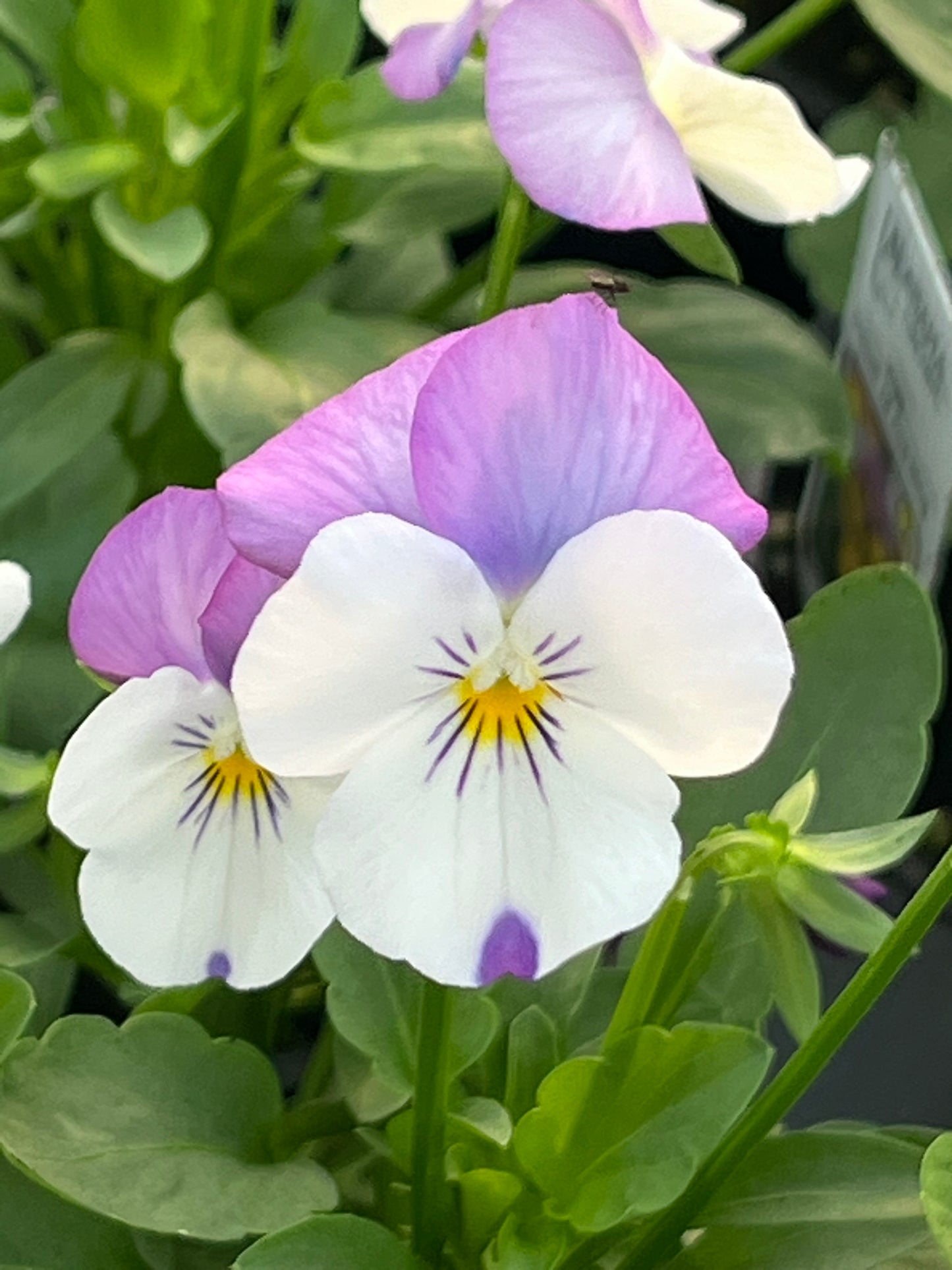
Deep purple and near-black varieties add drama. Yellow and orange blooms bring warmth to cool days. Pink and lavender flowers soften containers and garden borders. Two-tone varieties give every planting a playful touch.
Mix and match to create your own color combinations, or plant one favorite variety in groups for a bold display.
Perfect for Containers, Borders, and Hanging Baskets
Violas fit almost anywhere.
Porch planters: Welcome visitors with cheerful flowers throughout the cooler seasons.
Garden borders: Create neat, colorful edges along walkways and flower beds.
Hanging baskets: Combine violas with trailing plants for beautiful seasonal arrangements.
Window boxes: Enjoy colorful blooms right outside your window.
Mixed containers: Pair violas with ornamental kale, dusty miller, snapdragons, and other cool-season favorites.
For an especially beautiful spring display, plant violas around tulips, daffodils, and other flowering bulbs.
How to Grow Viola Plants
Violas are easy to care for when planted in the right conditions.
Sunlight
Plant in full sun to partial shade. During cool weather, more sunlight generally encourages stronger flowering. In warmer regions, afternoon shade can help protect plants as temperatures rise.
Soil
Choose fertile, well-drained soil. Improve heavy garden soil with organic matter, or use a quality potting mix when planting in containers.
Watering
Keep soil consistently moist without allowing roots to sit in standing water. Container plants may require more frequent watering than those planted in garden beds.
Fertilizer
Feed lightly with a balanced fertilizer during active growth. Avoid excessive nitrogen, which can encourage foliage at the expense of flowers.
Spacing
Space most bedding violas approximately 6–10 inches apart, depending on the variety and how quickly you want the planting to fill in.
Flowering Season
Violas perform best in cool weather. In much of the Southeast, fall planting can provide beautiful flowers through winter and into spring. In colder climates, violas are especially popular for spring color.
Flowering usually slows as summer heat arrives.
Violas vs. Pansies: What's the Difference?
Violas and pansies are close relatives, but they offer slightly different garden effects.
Pansies generally produce larger individual flowers. Violas typically produce smaller blooms in greater numbers, creating a dense display of color.
Violas are also valued for their compact growth, branching habits, and excellent cool-season performance.
Both are wonderful garden plants. For gardeners who love an abundance of smaller flowers, violas are hard to beat.
We like to call violas drive-by flower power and pansies walk-by flower power. Violas will show up better from a distance than pansies due to the increased quantity of blooms.
Frequently Asked Questions
Do violas come back every year?
Some violas are perennial, but many bedding varieties are grown as cool-season annuals. Their performance depends on the variety and local climate.
Can violas survive freezing temperatures?
Established violas tolerate frost and periods of cold weather. Severe freezes can damage flowers or foliage, especially in exposed containers.
Do violas need full sun?
No. They grow well in full sun to partial shade, particularly when temperatures remain cool.
How long do violas bloom?
With favorable temperatures, adequate moisture, and proper care, violas can flower for several months.
Are viola flowers edible?
Some viola species are used as edible flowers. Never eat ornamental plants unless their identity and pesticide treatment history make them safe for food use.
Find Your Favorite Viola at Plant Hoarder
Why let cooler weather mean the end of garden color?
Bring home the cheerful blooms, rich colors, and easy-growing charm of violas. Whether you're refreshing your front porch or planting an entire flower bed, these little plants offer a beautiful way to celebrate the season.
Shop Viola Plants at Plant Hoarder and make every cool day a little brighter.