
Plant Hoarder
Iris germanica
Iris germanica
Couldn't load pickup availability
Share
Hardiness Zone:
Sun Exposure:
The Sweet Earth Scent of Iris germanica
When you press your thumb into loose spring soil, you catch a faint sweet note rising from the earth. That same gentle scent trails behind Iris germanica as its fans unfold and its buds swell. We follow that scent because it tells us something simple. This plant wants to grow with us.
Iris germanica: The Bearded Iris You Can Trust
Part 1: Roots That Hold the Story
Brush your fingers along an Iris germanica rhizome and you feel warm grit. Firm. Knobbly. Ready. The rhizome works like a slow-beating heart. It stores energy, pushes new fans, and tilts toward the sun with steady purpose. Think of it as a small wooden chest that guards treasure until you open the lid in spring.
We lift the rhizomes, trim dead roots, and settle them into shallow beds. You plant them with the top edge peeking up, because these roots need air and warmth. A heavy mulch will smother them. A light dusting is enough. Let the sun kiss that top ridge. It wakes the buds.
You give them drainage. They give you bloom.
Take-home line: Keep the rhizome high, warm, and dry so it can fuel the whole show.
Part 2: Fans, Buds, and Bloom Power
Once the rhizome settles, Iris germanica sends up sword-like fans that rise in pairs. Touch a leaf and you feel cool ribs running straight to the base. Each rib pulls water and food. Each fan feeds the bud within. That bud swells, then splits, then unfurls into the classic bearded bloom.
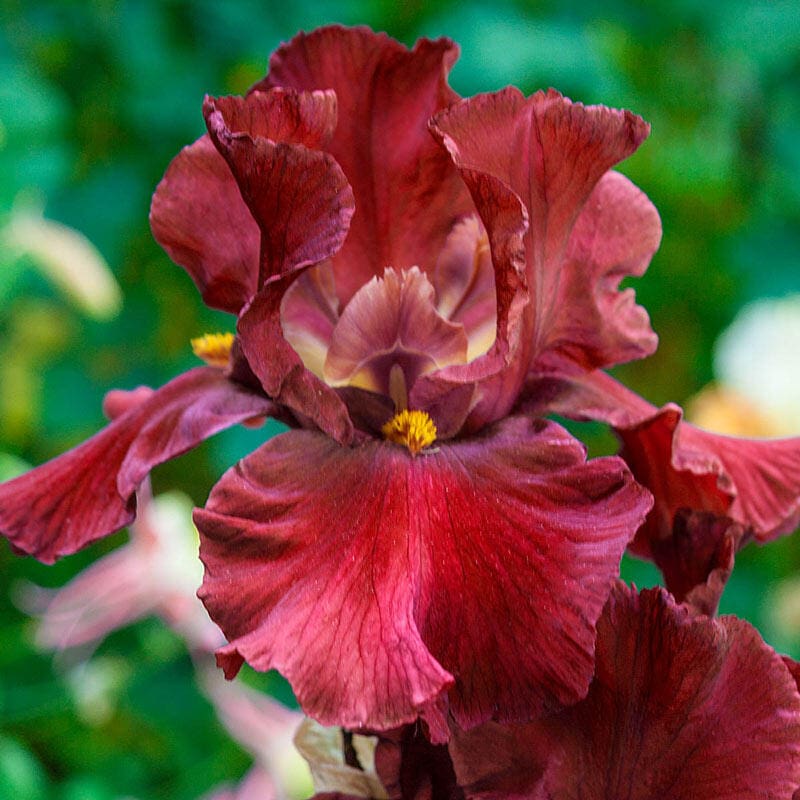
The bloom looks soft, but it holds structure like a well-built gate. Standards rise. Falls tilt. The fuzzy “beard” runs like a path for pollinators, guiding them to the nectar zone. The shape may seem fancy, but it works like fine plumbing. Fast explanation: the beard attracts insects, which brush pollen into place, which helps the plant set seed. Simple.
Colors range from snow-white to deep plum. Some blooms lean into gold. Others show smoky blue. We get excited every year, because no two clumps look quite the same once they settle into your soil.
Take-home line: Strong fans feed strong buds, and strong buds give blooms that feel like small flags waving in your garden.
Part 3: How You Plant, Divide, and Keep Them Thriving
You plant them in full sun. You tilt each rhizome so the roots spread like spokes. You water once to settle the soil, then let the bed dry a bit. Iris germanica hates wet feet. Too much soak invites rot. Too little sun invites weak bloom.
Every three to four years, the clump thickens. That’s your cue. You lift the rhizomes with a fork, slice off firm sections, and set them a few inches apart. Think of it like pruning an old orchard. You open space so new growth can breathe. You break the tangle so future bloom has room.
Pests rarely bother bearded iris. A little cleanup in fall helps. Trim fans to hand length. Remove soft, mushy pieces. Let winter air sweep through. That air stops rot before it starts.
Take-home line: Strong bloom comes from sun, space, and a steady hand when you divide and replant.
Where Beauty Meets Simple Work
Iris germanica rewards the gardener who likes clean steps and honest soil. We place the rhizomes. We keep them high. We give them sun. And the plant turns that work into bloom after bloom. This is the kind of plant that teaches you as it grows. It shows you how roots store power, how fans feed buds, and how a single division can spark years of color.
If you want a garden companion that stands steady and shines bright, this iris is ready to join you at the next planting round.